
Culturally Significant Dates
-
-
National Sorry Day – 1998
National Sorry Day offers the community the opportunity to acknowledge the impact of the policies spanning more than 150 years of forcible removal of Aboriginal and Torres Strait Islander children from their families. The first National Sorry Day was held on 26 May 1998 following the 1997 HREOC report Bringing Them Home which recommended that […]
-
-
United Nations Declaration on the Rights of Indigenous Peoples – 2007
The United Nations Declaration on the Rights of Indigenous Peoples was adopted by the United Nations General Assembly during its 61st session at UN Headquarters in New York City on 13 September 2007.
-
-
Apology to the Indigenous Australians & Stolen Generations
On 13 February 2008, Prime Minister Kevin Rudd made a formal apology to Australia’s Indigenous peoples, particularly to the Stolen Generations whose lives had been blighted by past government policies of forced child removal and Indigenous assimilation.
-
-
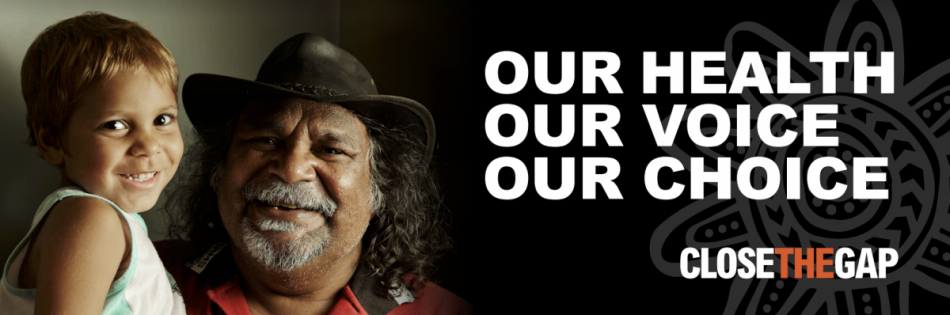
National Close the Gap Day
For the last 10 years many thousands of Australians from every corner of the country, in schools, businesses and community groups, have shown their support for Close the Gap by marking National Close the Gap Day each March. The aim is to bring people together to share information, and most importantly, to take meaningful action […]
-
-
National Sorry Day – 2020
Observed annually on 26 May, National Sorry Day remembers and acknowledges the mistreatment of Aboriginal and Torres Strait Islander people who were forcibly removed from their families and communities, which we now know as ‘The Stolen Generations’. National Sorry Day is a day to acknowledge the strength of Stolen Generations Survivors and reflect on how […]
-
-
Coming of the Light Festival
This is a particular day of significance for Torres Strait Islander Australians. It marks the day the London Missionary Society first arrived in the Torres Strait. The missionaries landed at Erub Island on 1 July 1871. Religious and cultural ceremonies are held by Torres Strait Islander Christians across the Torres Strait and on the mainland […]
-
-
National Aboriginal and Torres Strait Islander Children’s Day
National Aboriginal and Torres Strait Islander Children's Day and the week leading up to it, is a time to for Aboriginal and Torres Strait Islander families to celebrate the strengths and culture of their children.
-
International Day of the World’s Indigenous Peoples
The International Day of the World's Indigenous Peoples is observed on August 9 each year to promote and protect the rights of the world’s indigenous population. This event also recognises the achievements and contributions that indigenous people make to improve world issues such as environmental protection. It was first pronounced by the General Assembly of […]
-
-
Indigenous Literacy Day
Indigenous Literacy Day aims to help raise funds to raise literacy levels and improve the lives and opportunities of Indigenous Australians living in remote and isolated regions. We need your support to help raise funds to buy books and literacy resources for children in these communities.
-
United Nations Declaration on the Rights of Indigenous Peoples
The United Nations Declaration on the Rights of Indigenous Peoples was adopted by the United Nations General Assembly during its 61st session at UN Headquarters in New York City on 13 September 2007.
-
-
NAIDOC Week
The 2020 theme "Always Was, Always Will Be", recognises that Aboriginal and Torres Strait Islanders have occupied and cared for this land and sea for over 65,000 years. Our nation's story began at the dawn of time, with the first footprints on this land belonging to First Nations people. That spiritual and cultural connection to land and sea continues to […]
-
-
Apology to the Indigenous Australians & Stolen Generations
On 13 February 2008, Prime Minister Kevin Rudd made a formal apology to Australia’s Indigenous peoples, particularly to the Stolen Generations whose lives had been blighted by past government policies of forced child removal and Indigenous assimilation.